
E.M. Skinner & Son Opus 512
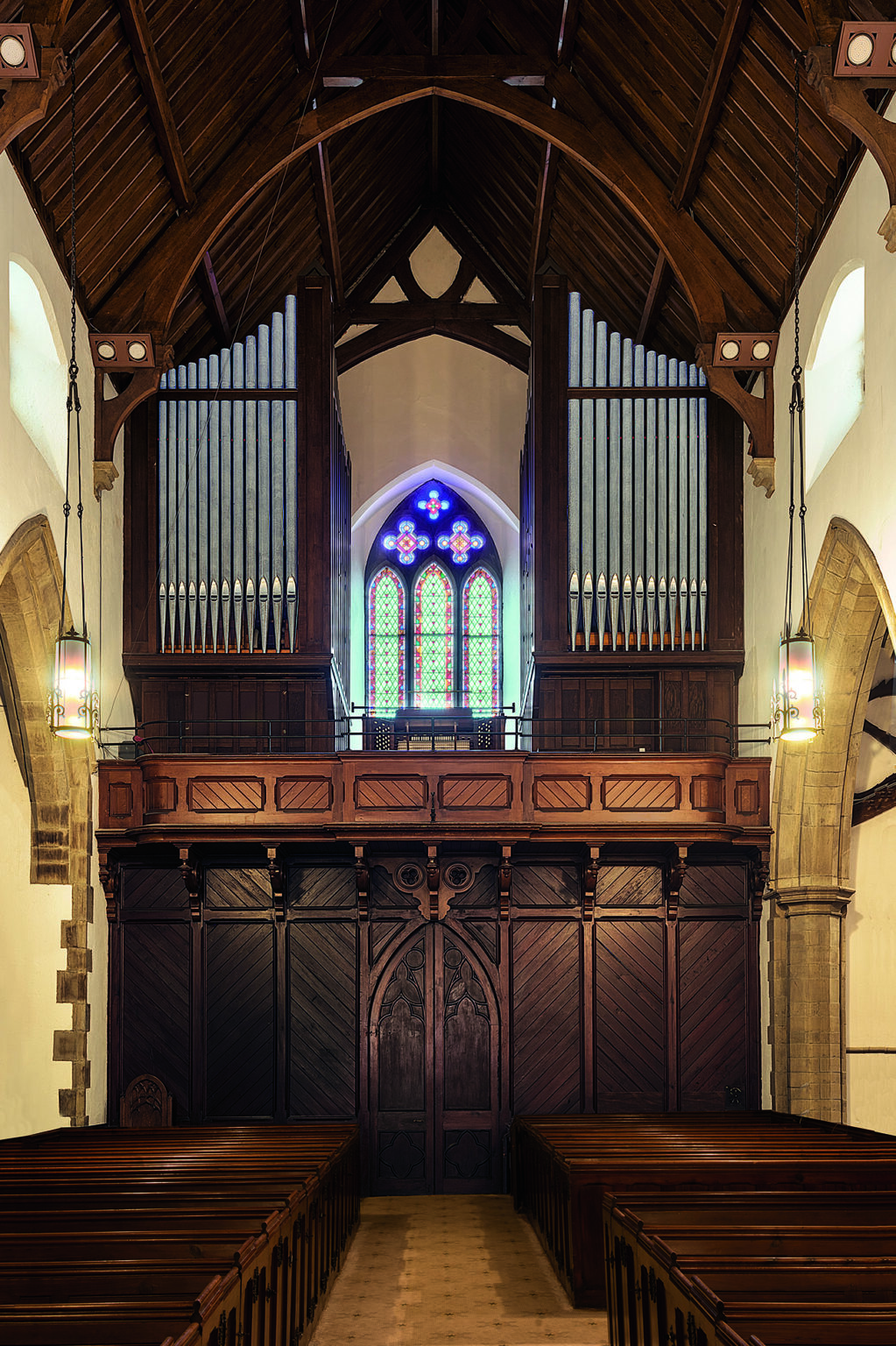
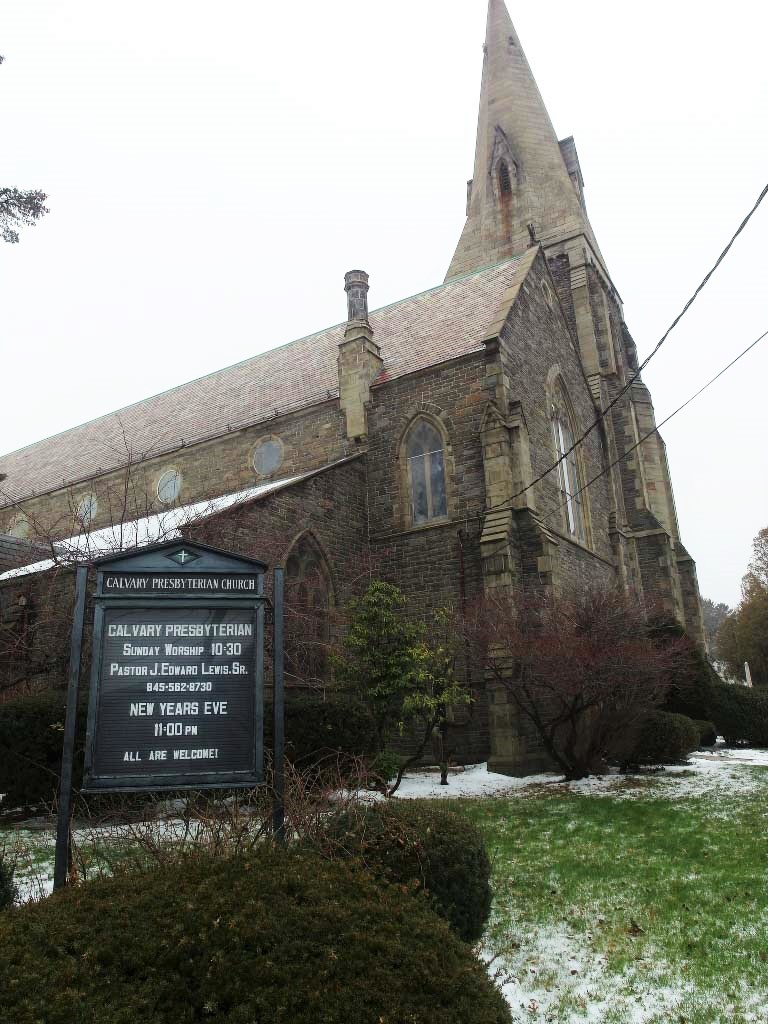
E.M. Skinner & Son Opus 512 was installed at Calvary Presbyterian Church in the summer of 1937. It replaced the church’s George Jardine and Son instrument that was installed new when the church opened in 1860. At the time, Newburgh was a bustling center for the manufacture of all sorts of goods and services. Halfway between Albany and New York City, it was the perfect Hudson Riverfront hub for commerce, and there was no end in sight when the new organ was dedicated on December 4th, 1937. A total of 1,000 people packed the church for the two concerts that day by none other than T. Tertious Noble from New York City’s prominent St. Thomas Church. Noble and Skinner shared great respect. T. Tertious had more than tipped his hat toward Skinner when, a few years earlier, he’d recommended Skinner’s new firm for construction of the organ for Washington’s new National Cathedral.
Some may not be aware of the back story about the firm that built this organ: In 1919, and despite great artistic success, Skinner’s Boston business was on the verge of financial crisis. All was saved when retired businessman (and Skinner organ owner) Arthur Hudson Marks, stepped up and purchased primary ownership of the company. By 1927, Ernest had traveled to England where he met and hired G. Donald Harrison who then became his direct assistant and voicer. Harrison’s tonal thinking tipped its hat to the thinner/trimmer sound of European organs and both his sound and name quickly gathered enthusiasm in the American organ world. So much so, that by 1932 Marks asked Skinner to step aside and let Harrison take over the firm’s new tonal directions. Skinner was frustrated. Was he in fact falling from grace in the world of organs, more specifically in the signature sound that he’d greatly created? After all, the firm’s tremendous success had been because of him. Now this!
In fact, Skinner saw the end coming and had already prepared an escape plan by purchasing an unused organ factory in Methuen Massachusetts. He remained a big name in the industry and his followers kept a close eye on his new venture. Finally severed from Boston, E.M. Skinner and Son set up shop in Methuen already with some nice contracts in hand. The largest of these was their Opus 510; well over 100 ranks for the newly constructed National Cathedral in Washington DC. Opus 512 for Newburgh would come a year later.
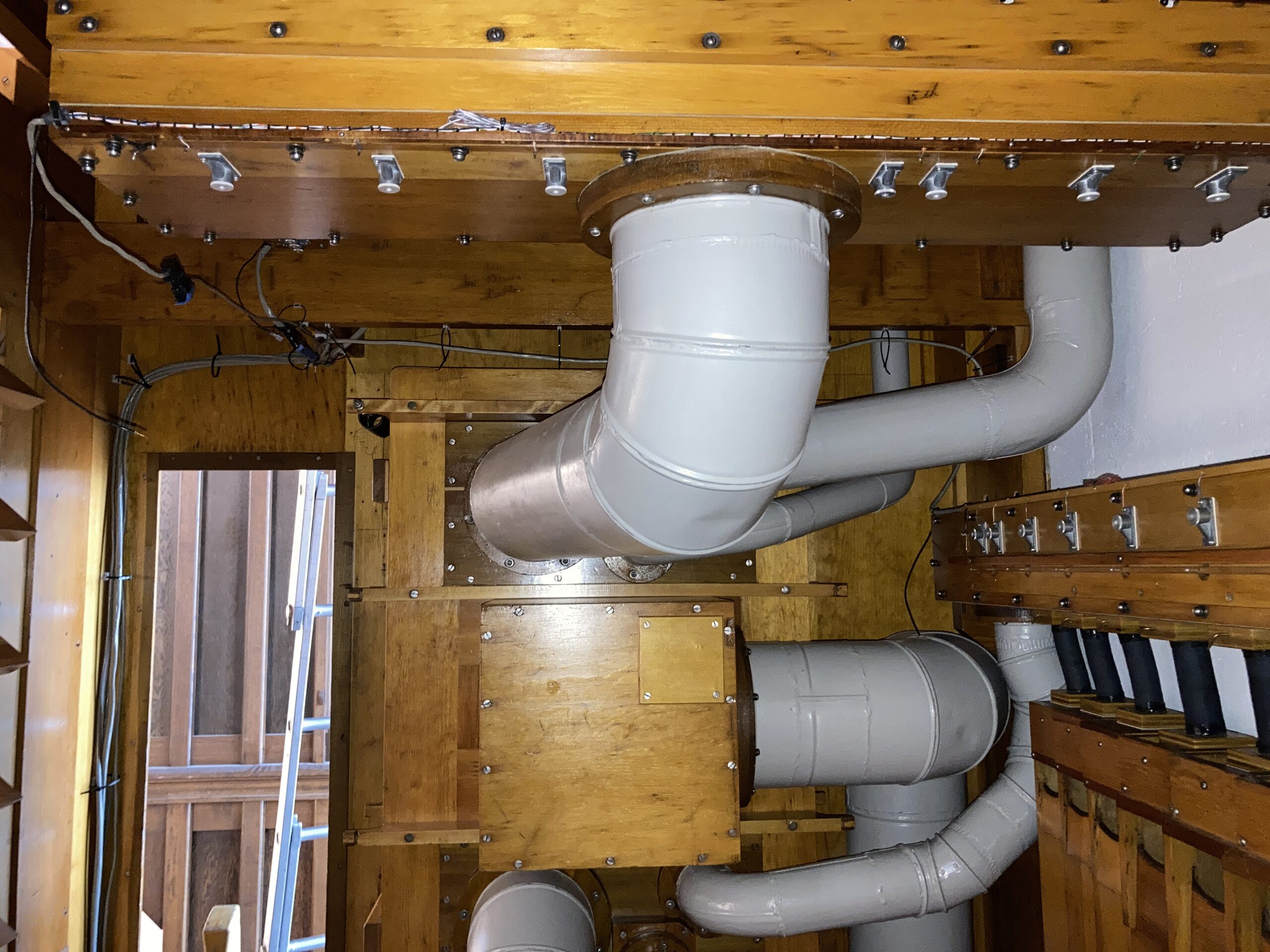
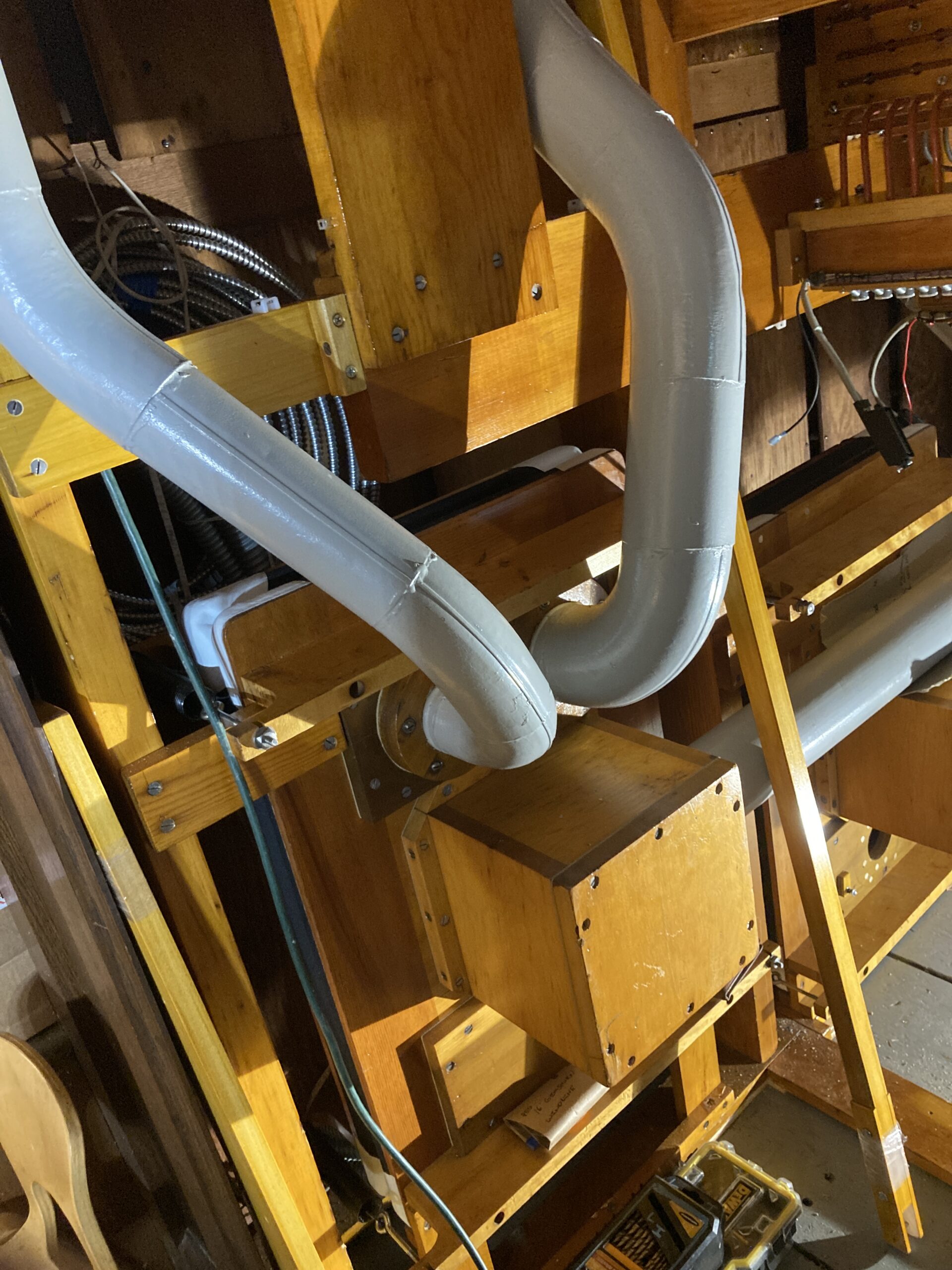
Calvary’s organ was built at a time when there was often more money available than there was space for the instrument. Like so many others, Opus 512 was nearly overflowing its chambers. In compliance with the church’s insistence, Skinner laid it out so that no part covered the large gallery window; however, meeting the agreement necessitated placing the entire organ within two narrow and high chambers. To say chamber space is tight would be an understatement. Many stops are split up on two different levels. The treble pipes of the Swell are so close to the ceiling that tuning access is compromised. There’s simply too much organ within the two cases., but the church is a large, high room seating over 800 and needed an organ of this size. Despite the layout, the organ’s position in the rear gallery is well placed and it fills the building well. Mechanically it’s another Skinner success story. Tonally, it’s a bit tame. From a service standpoint, the most important tool of future technicians may be patience.
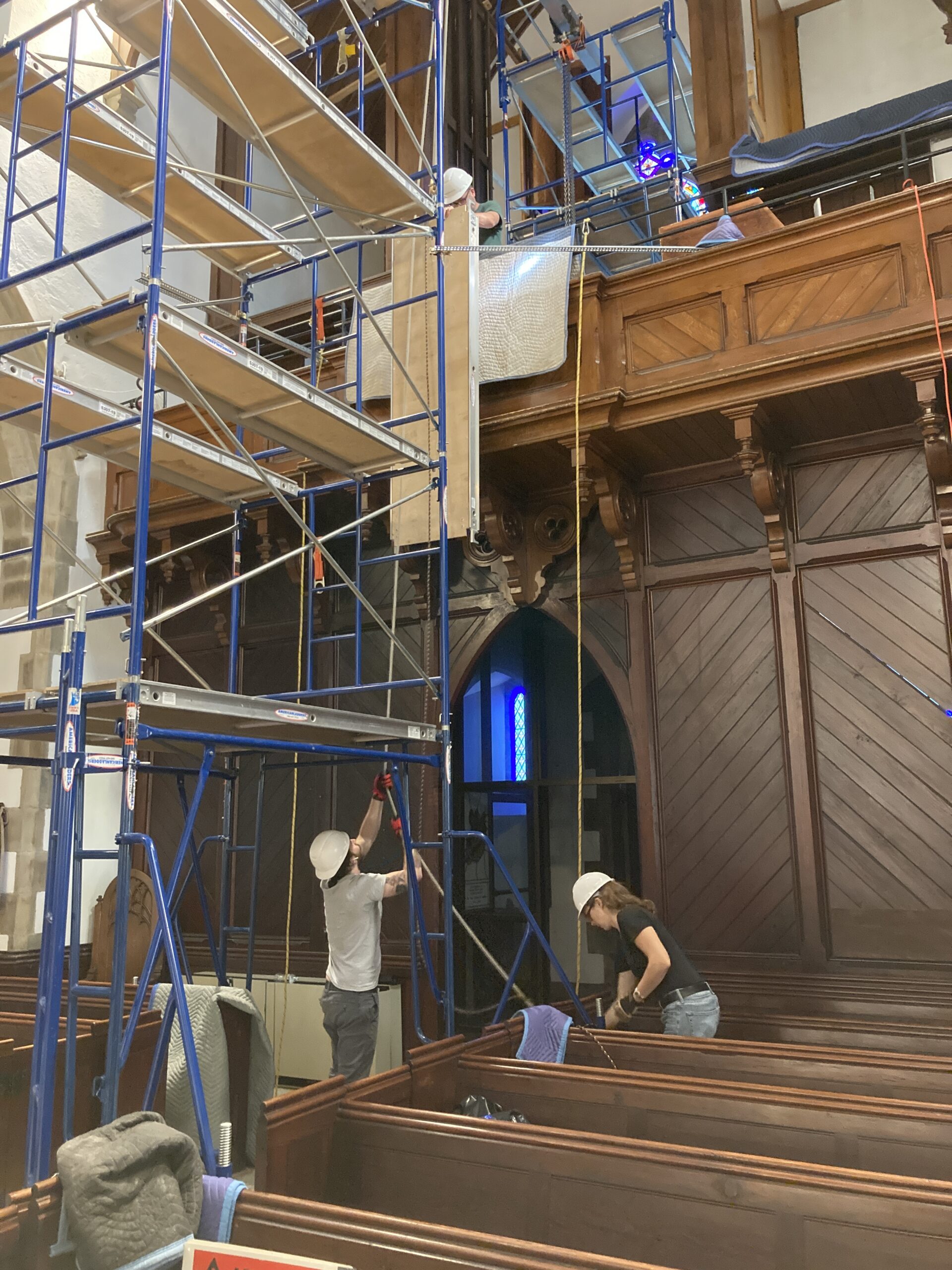
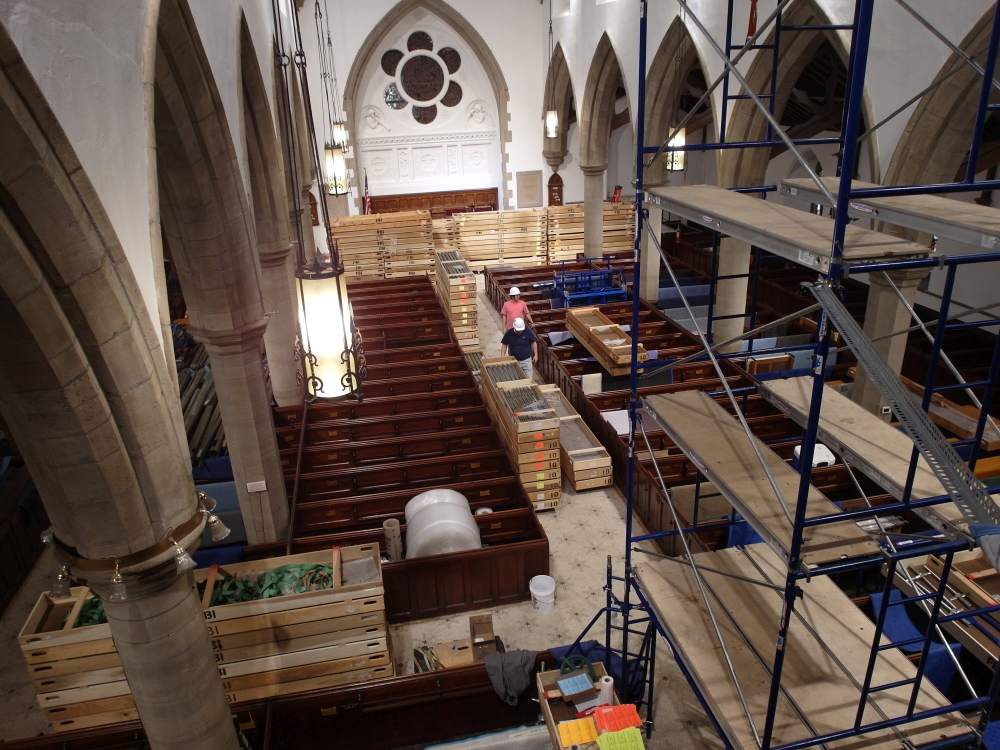
Fast forward to 2020. In the early hours of March 5th, the church’s attached Fellowship Hall building burned nearly to the ground. The tremendous smoke from the fire easily found its way into the church proper. Everything was covered with soot… including the Skinner. The insurance company hired a consultant. The decision came down that the organ would be completely removed, cleaned, and releathered. We had cared for the organ for the five years prior and ours was the firm selected.
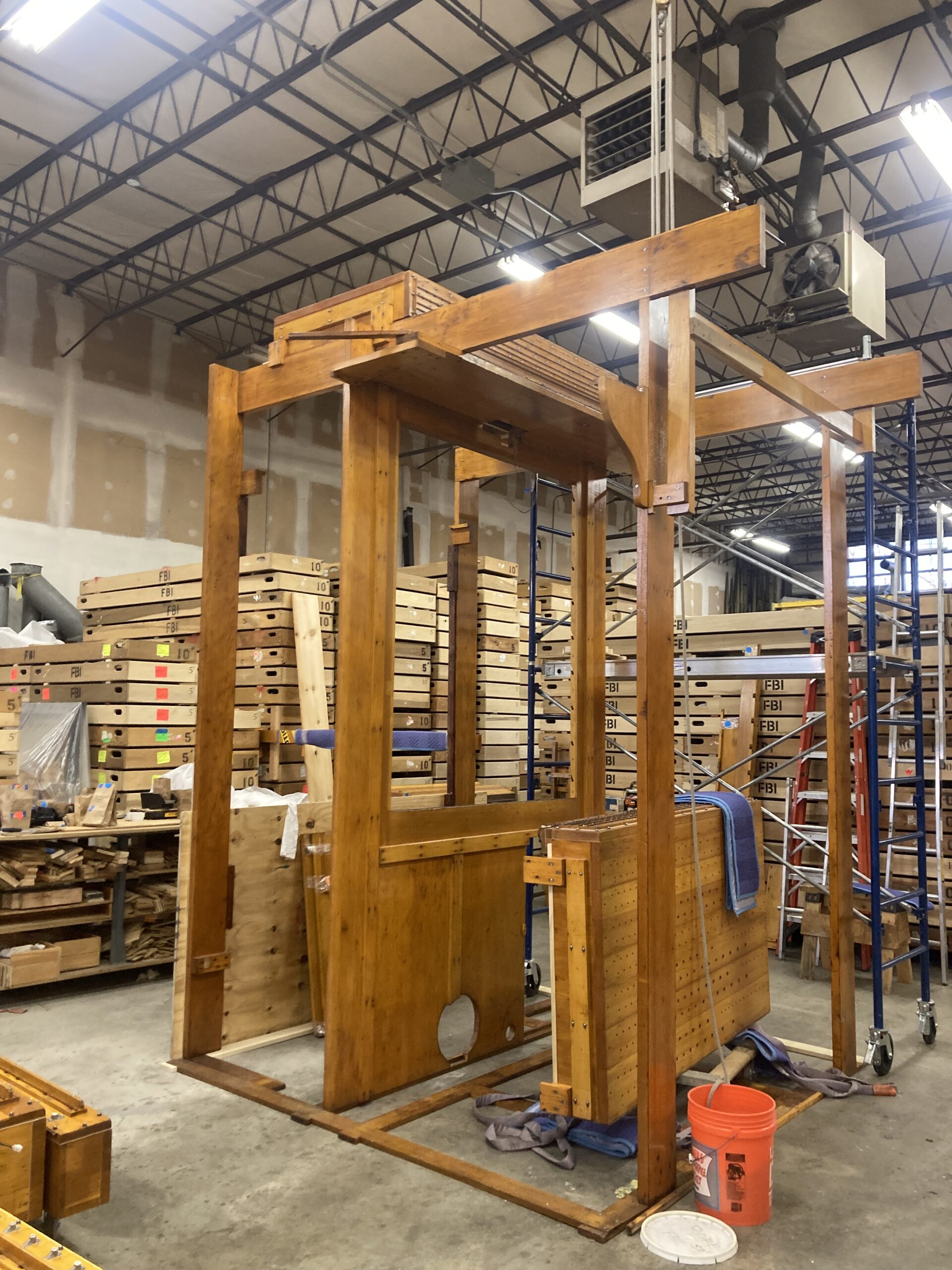
The project saw the entire instrument removed from the building. Every part was cleaned and totally reconditioned. We were somewhat surprised at how closely the workmanship reflected that of the Boston Skinner firm in most every way. It made us ponder who and how many joined E.M. at his new venture in Methuen. The only places of compromise we found were that overall, pipes were built of thinner than average metal. Foreign opus numbers on some pipes indicated they were leftovers from other projects (not always uncommon). The Great Diapason is made up of pipes from two other organs, though it sounds fine. Skinner’s first years in Boston were plagued by his propensity to toss in a 32’ stop to help clinch a deal. Arthur Hudson Marks put an end to that, however, now at Methuen, Ernest was again in charge of everything, including finances. Might the twelve, 32’ Fagotto pipes here reflect another deal clincher? Indeed, their sound is excellent; however, their size didn’t help the lack-of-space issue.
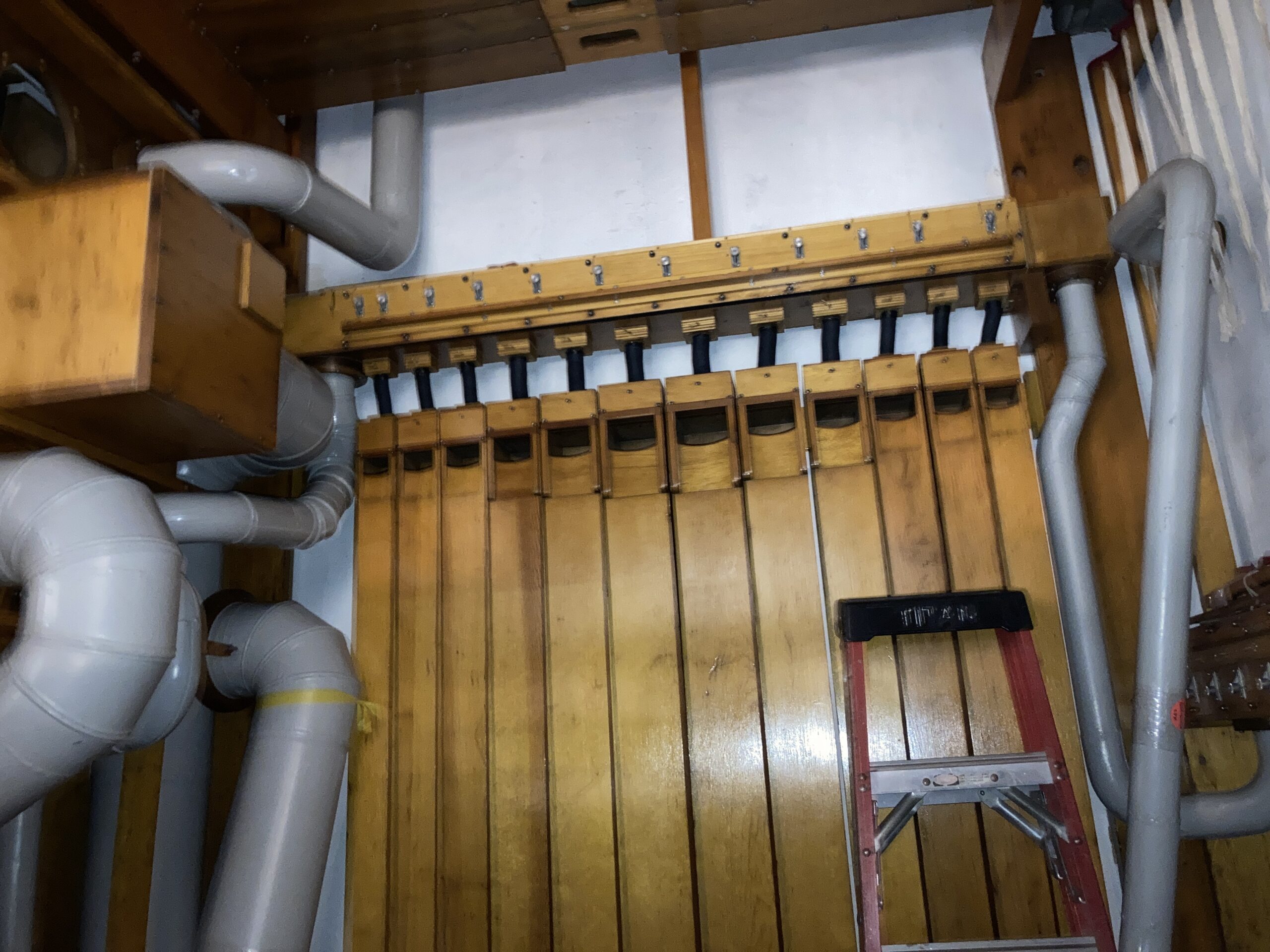
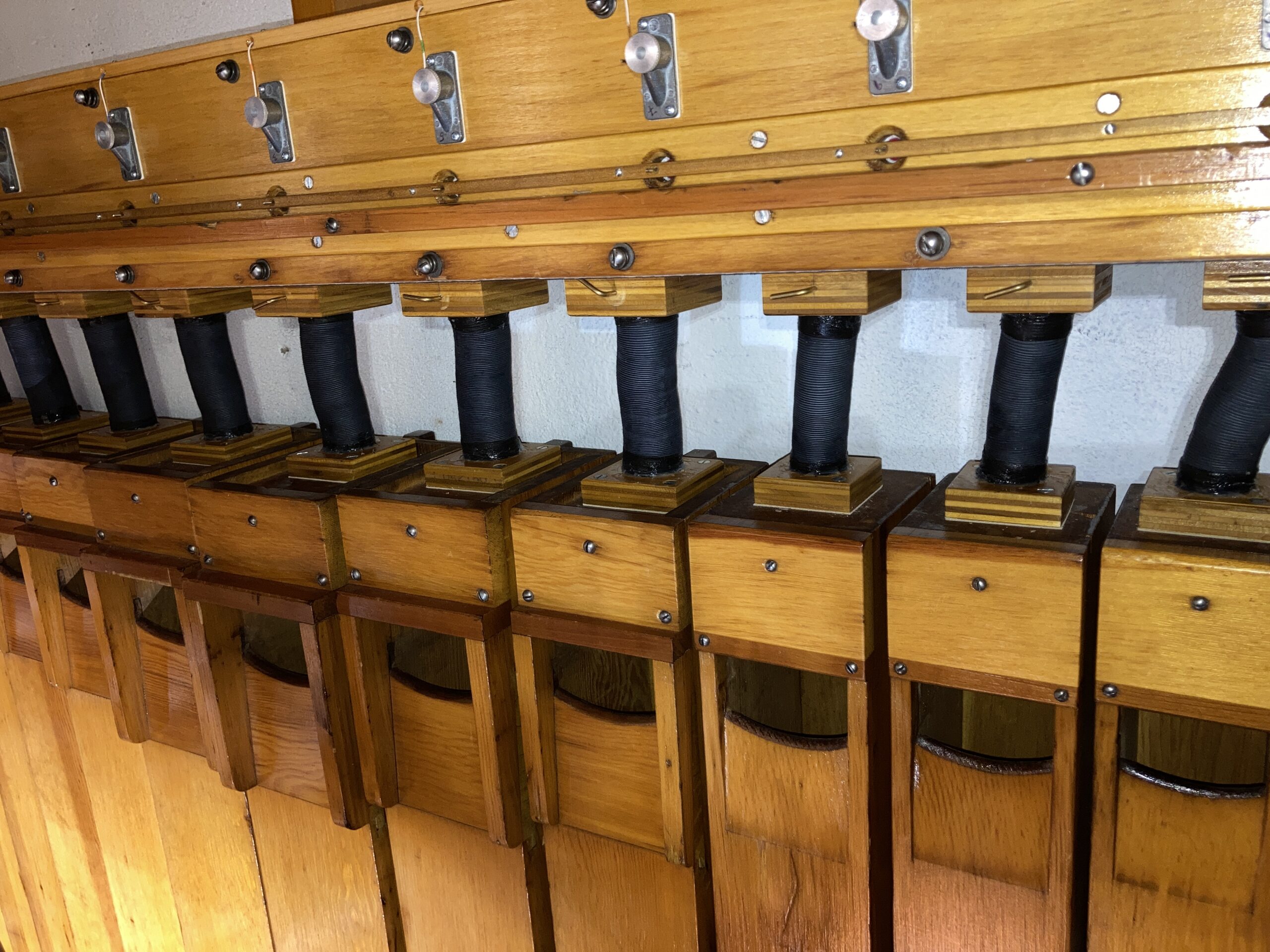
At our shops, the thinness of the pipe metal slowed all work involving them. Not surprisingly, they needed much metal repair and of course, had to be handled very carefully to insure they’d remain dent free by the time they were reinstalled in the organ. The French Horn and its chest were missing, and the Vox Humana had disappeared years earlier. There was also a mild change in the chest pitmans: depth of motion was achieved with thick paper gaskets rather than actual borings of the pitman wells.
Besides much pipe repair and a total reconditioning (including every gasket and valve in the organ), our improvements were essentially to shift equipment where possible to create space for better service access, especially in the Swell. Needless to say, the chambers are totally lighted with new LED fixtures mounted above and below the chests. The typically beautiful Skinner console was completely reconditioned and retrofitted with modern state of the art equipment and organ relay. The Spencer blower’s motor and impellers were removed and inspected. The motor’s bearings were replaced.
There were other E.M. Skinner and Son organs built at Methuen; however, most of the work and opus numbers reflected reconditioning and modifications to existing pipe organs, not new organs. One can only hope there are other examples still original and in use. Our undertaking, made more difficult by the organ’s very compact layout, was a big one both for us and the church. We offer special thanks to all at Calvary who cooperated so well with our crews to see the project come to fruition.
Let’s Preserve Your Pipe Organ
Whether you are planning a reconditioning or addressing tuning and mechanical issues, Foley-Baker provides expert guidance from assessment through completion. We'd love to hear from you.