
Aeolian-Skinner Opus 1785
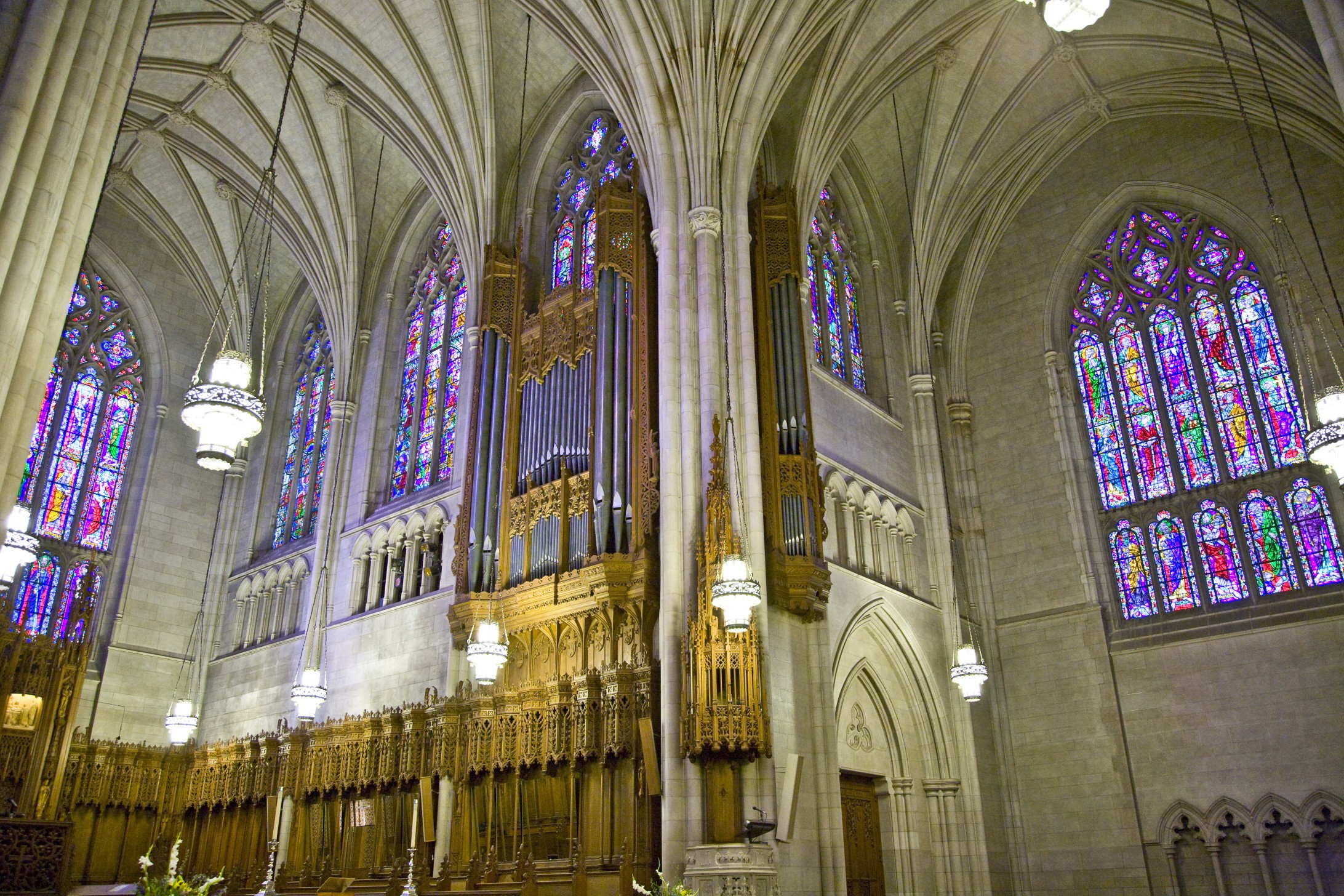
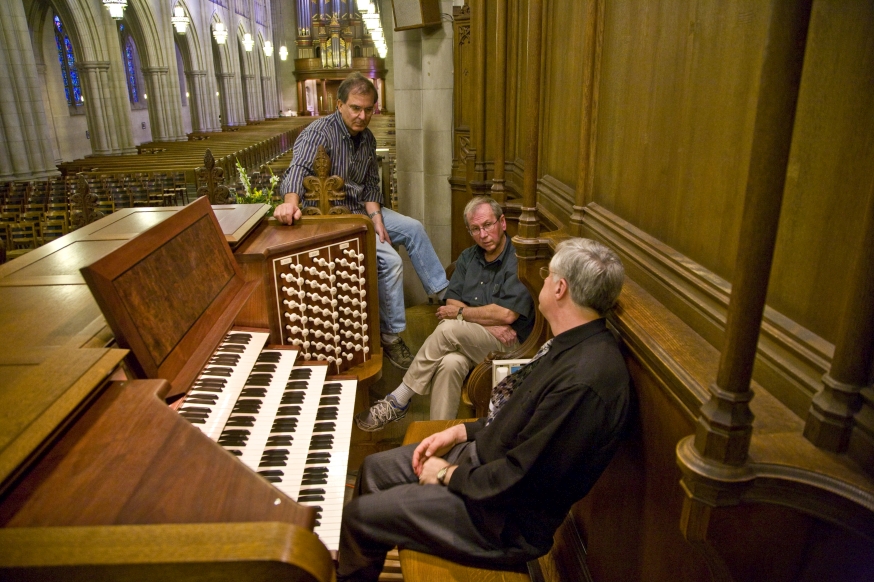
Over the years, the special care of Duke’s organ curators kept Aeolian-Skinner Opus 1785 in serviceable condition. As the instrument aged, issues began to exceed what routine repair could address. In 2005, Foley-Baker was invited to provide a proposal for full reconditioning.
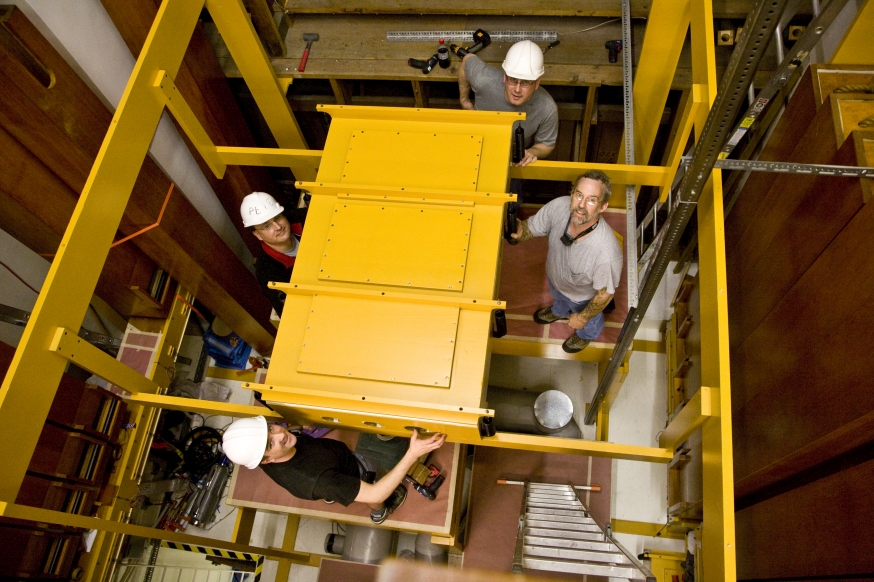
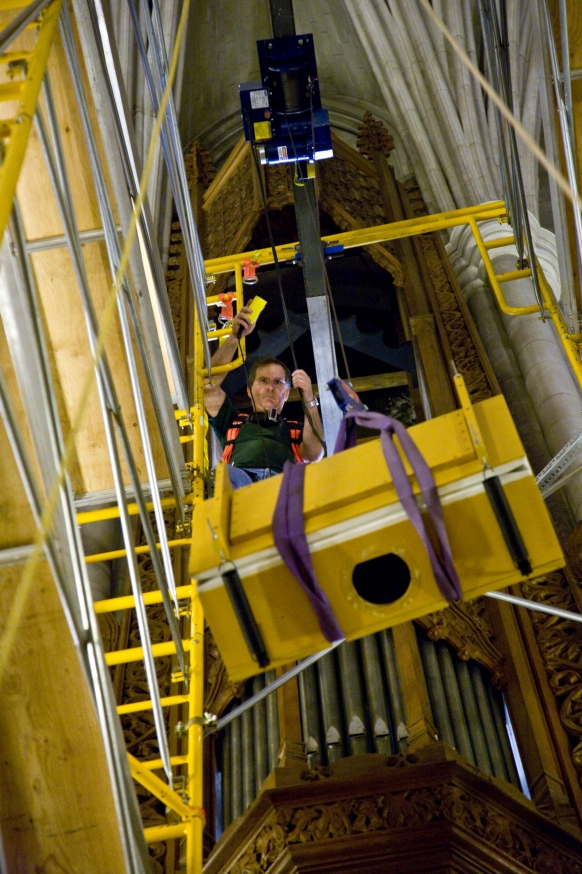
Initial optimism was tempered by the scale and complexity of the project. The organ’s powerful sound was supported by a substantial mechanical structure, requiring removal to Foley-Baker’s Connecticut shop. The scaffolding required for dismantling took a full day to assemble.
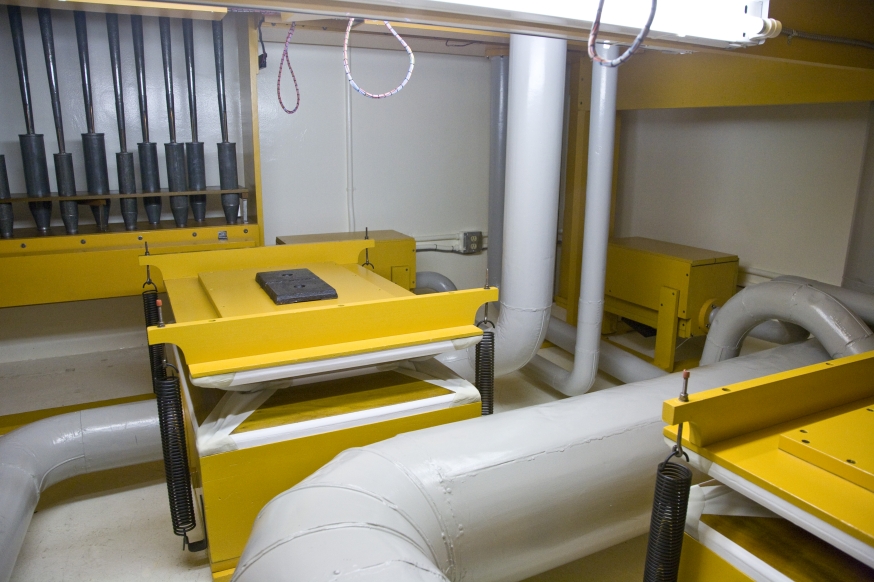
The pipes from the transept-facing cases were removed, and all components were rigged out through the open façades. Removal took four weeks for a team of five technicians. Dismantling the largest of the three blowers required a full day.
Limited vehicle access to Duke Chapel meant that all materials had to be transported by hand or dolly across the campus. Technicians covered significant daily distances moving components from scaffold to truck before transport to Connecticut.
Shop Work and Reconditioning
In Connecticut, each division was stored separately to allow phased reinstallation. Testing revealed that the Aeolian action required specialized pitmans and selected leather to ensure proper articulation under high pressure.
The restoration involved thousands of leather components, valves, and gaskets, along with extensive use of hide glue in the reconditioning process. All leathered elements were replaced or renewed as required.
Tonal Work
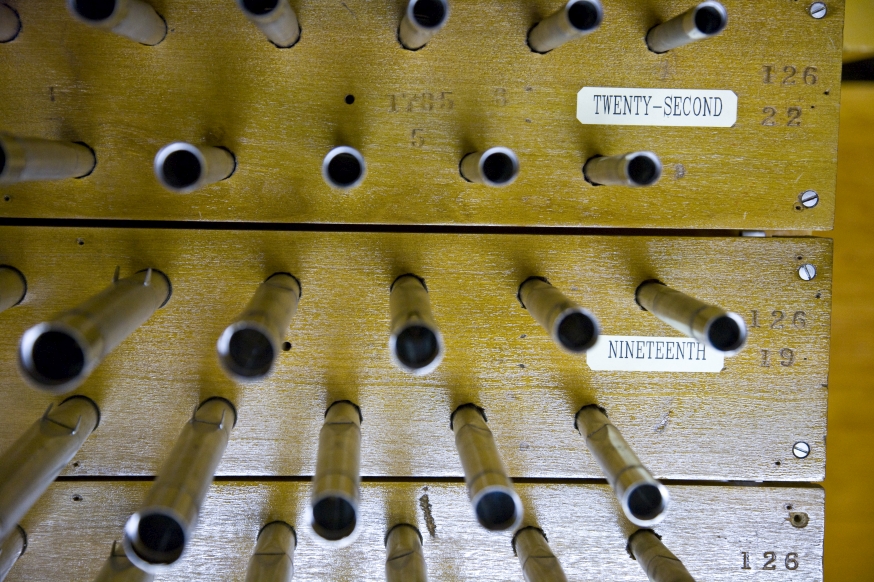
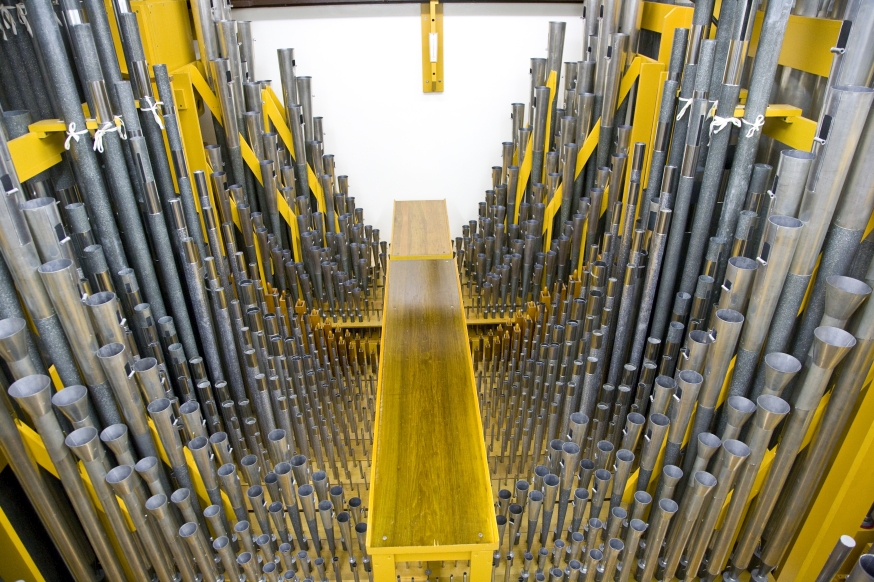
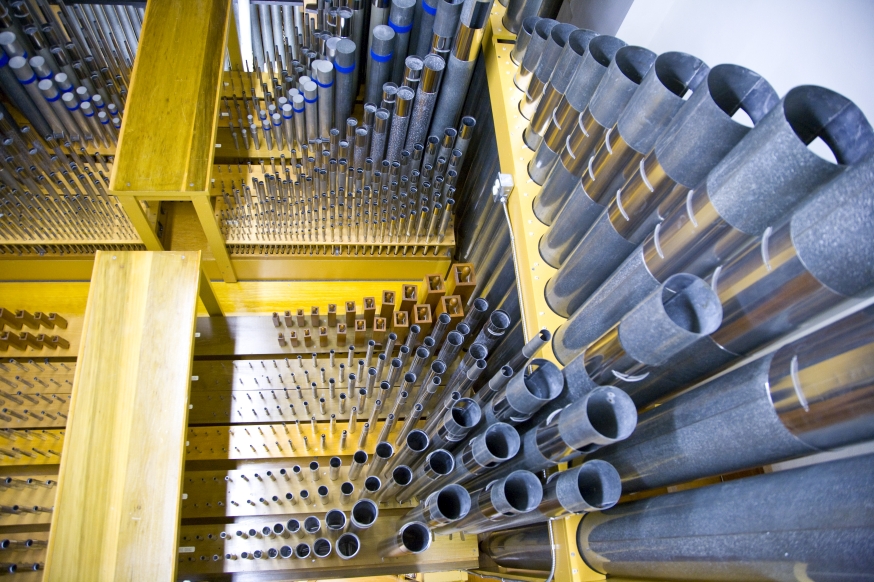
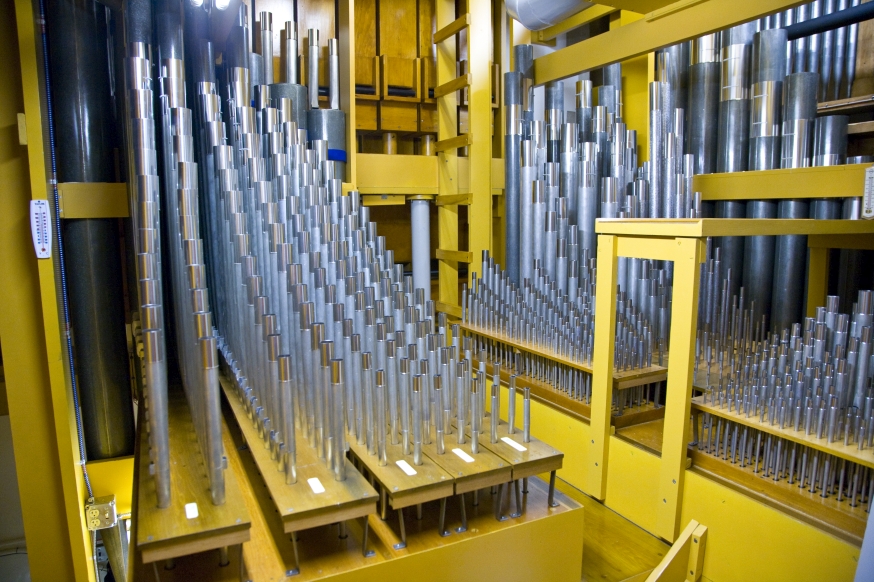
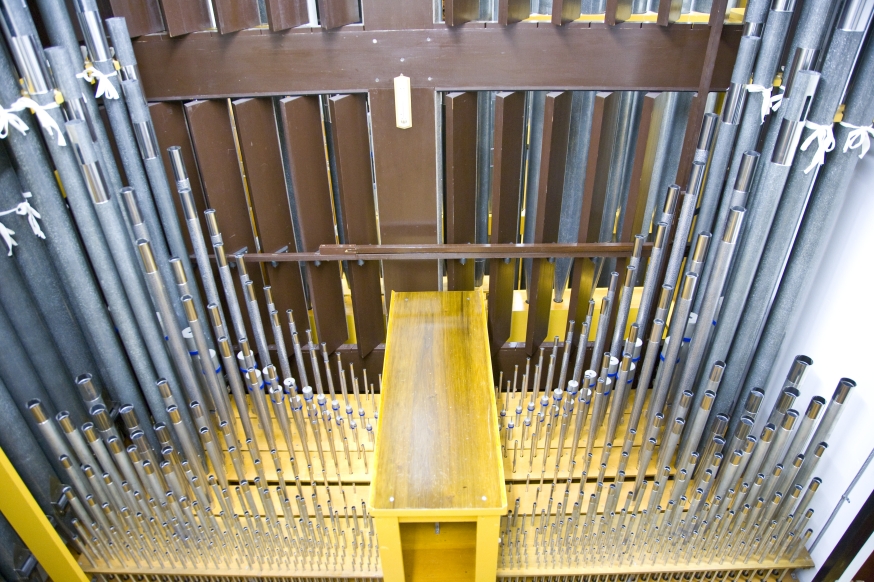
The organ’s 6,700 pipes, ranging from 32′ bass pipes to treble ranks, were individually cleaned and repaired. Metal pipes were tub-washed and resoldered where necessary, then treated to prevent corrosion. Wooden pipes were cleaned, re-shellacked, and structurally repaired where cracks had developed.
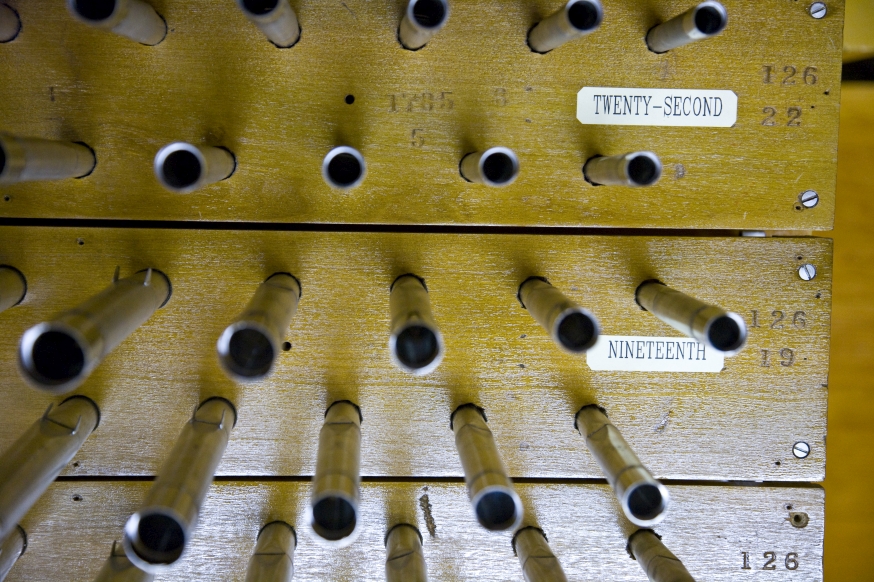
One of the most detailed phases of the project involved tonal reconditioning. Each pipe was voiced to return the instrument to its original 1932 character, while correcting later tonal modifications.
The organ’s reed choruses were fully rebuilt, restoring their original power and clarity. The Tuba Mirabilis was returned to its original enclosed position, and a new Festival Trumpet was added to enhance the Great division’s upper dynamic range.
Reinstallation and Completion
As each division was completed, it was assembled and tested in the shop before being returned to the Chapel. This allowed for troubleshooting prior to installation.
Once back on site, the organ was reinstalled in stages, followed by tonal regulation and final tuning over several weeks. The full project took 20 months and was completed in October 2008. The rededication concert took place on February 8, 2009.
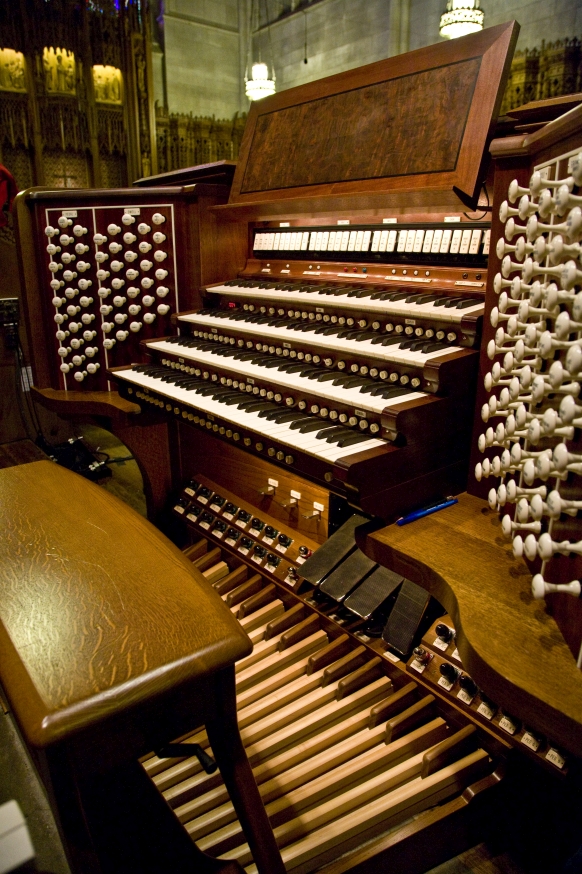
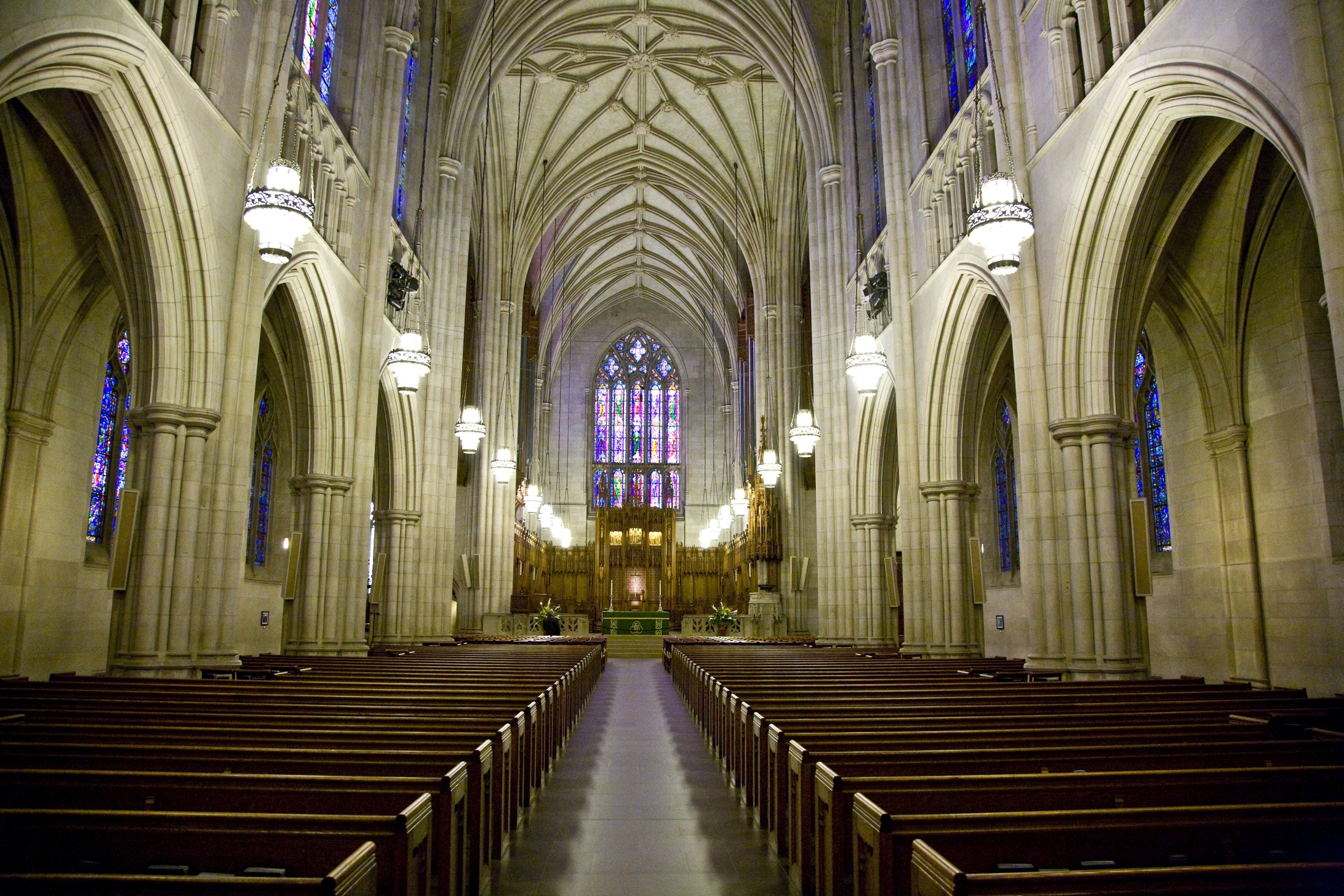
The Aeolian-Skinner now speaks into the acoustics of Duke Chapel, returned to strength and stability after a comprehensive reconditioning process.
Let’s Preserve Your Pipe Organ
Whether you are planning a reconditioning or addressing tuning and mechanical issues, Foley-Baker provides expert guidance from assessment through completion. We'd love to hear from you.